COMMUNITY / 01
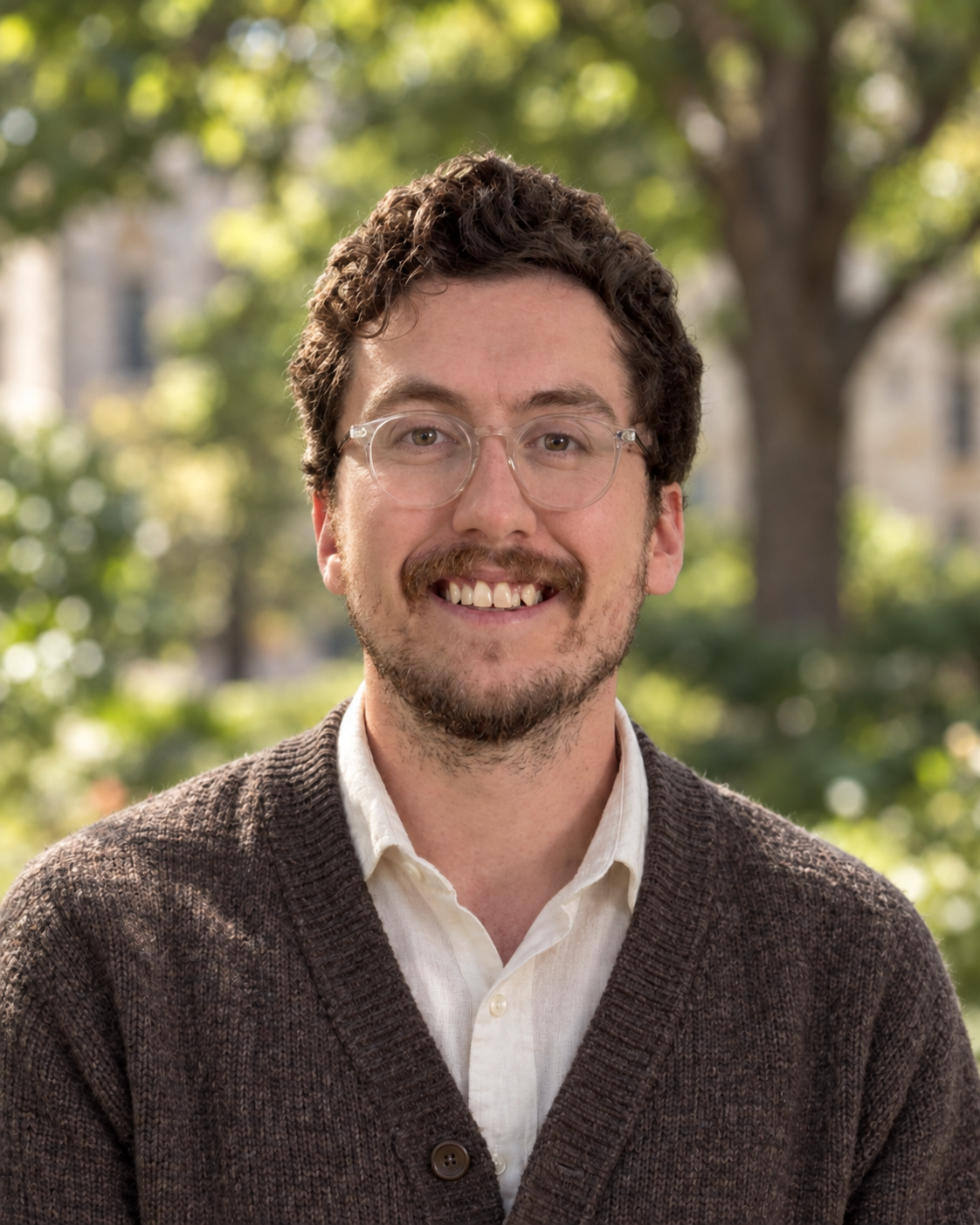
From debate club to reentry support
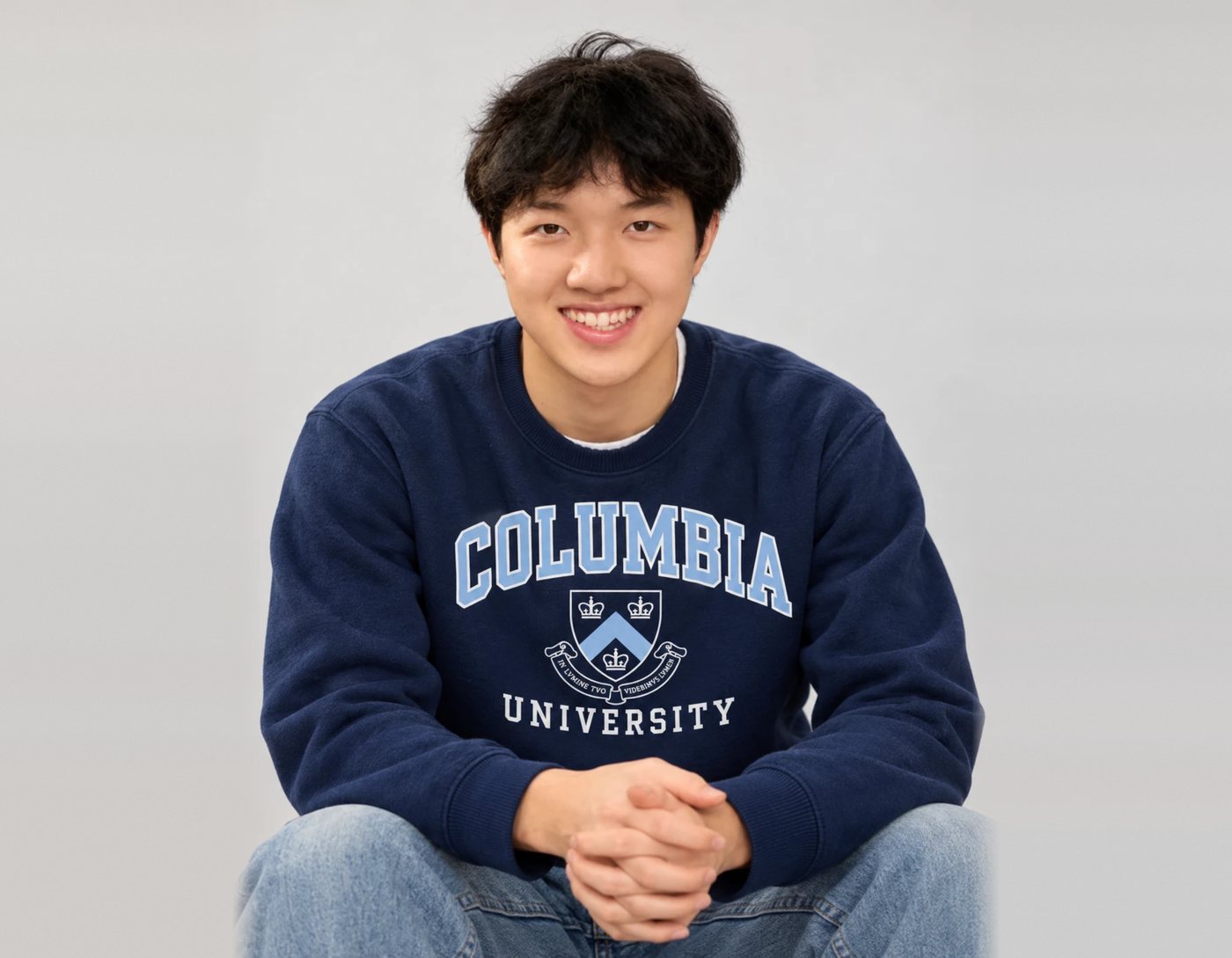
Long and his team filled an information gap by organizing a volunteer hotline that connected people recently released from prison with housing, job, and mental health opportunities.
Wright is a selective project accelerator for high school students. With mentors and ambitious peers, find a problem worth solving, build a team, and launch work you can show colleges and the world.
PROJECTS
See how students turned ideas into things people can use, read, play, and join.
COMMUNITY / 01
Long and his team filled an information gap by organizing a volunteer hotline that connected people recently released from prison with housing, job, and mental health opportunities.
TECHNOLOGY / 02
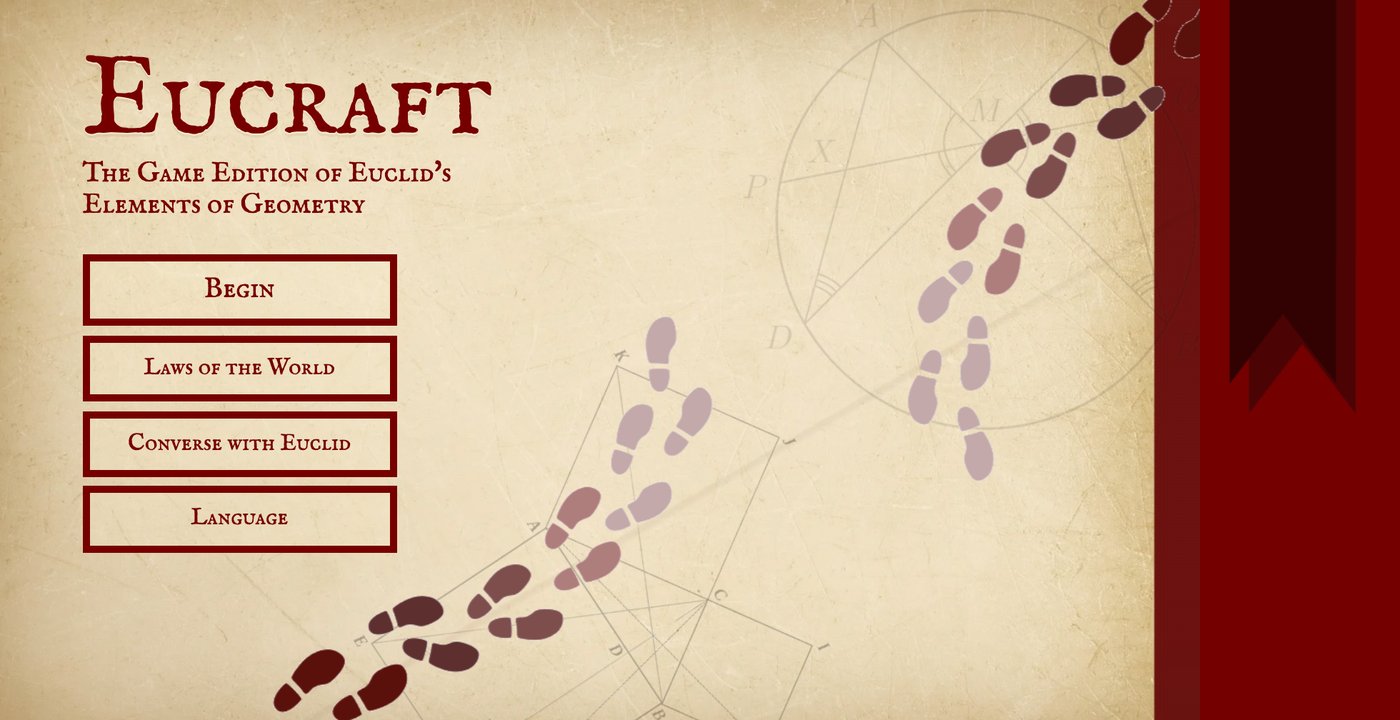
Zoe's love of math and physics inspired her to turn Euclid's Elements into a game where students can explore geometric ideas by playing through them. Her game has since gotten over 9,000 plays and was featured on math game websites.
CULTURE / 03
Patrick coded a website and curriculum for Latin learning based on the natural method of language acquisition. He then used the curriculum to teach students at a nearby middle school.
CULTURE / 04
Rafi and Natalie led architecture and public art walking tours for hundreds of New Yorkers in museums and outdoor exhibitions.
COMMUNITY / 05
Jayden and Michael organized pharmacy deliveries to homebound seniors that also served as social visits centered on conversation and care, reaching over 110 seniors.
CULTURE / 06
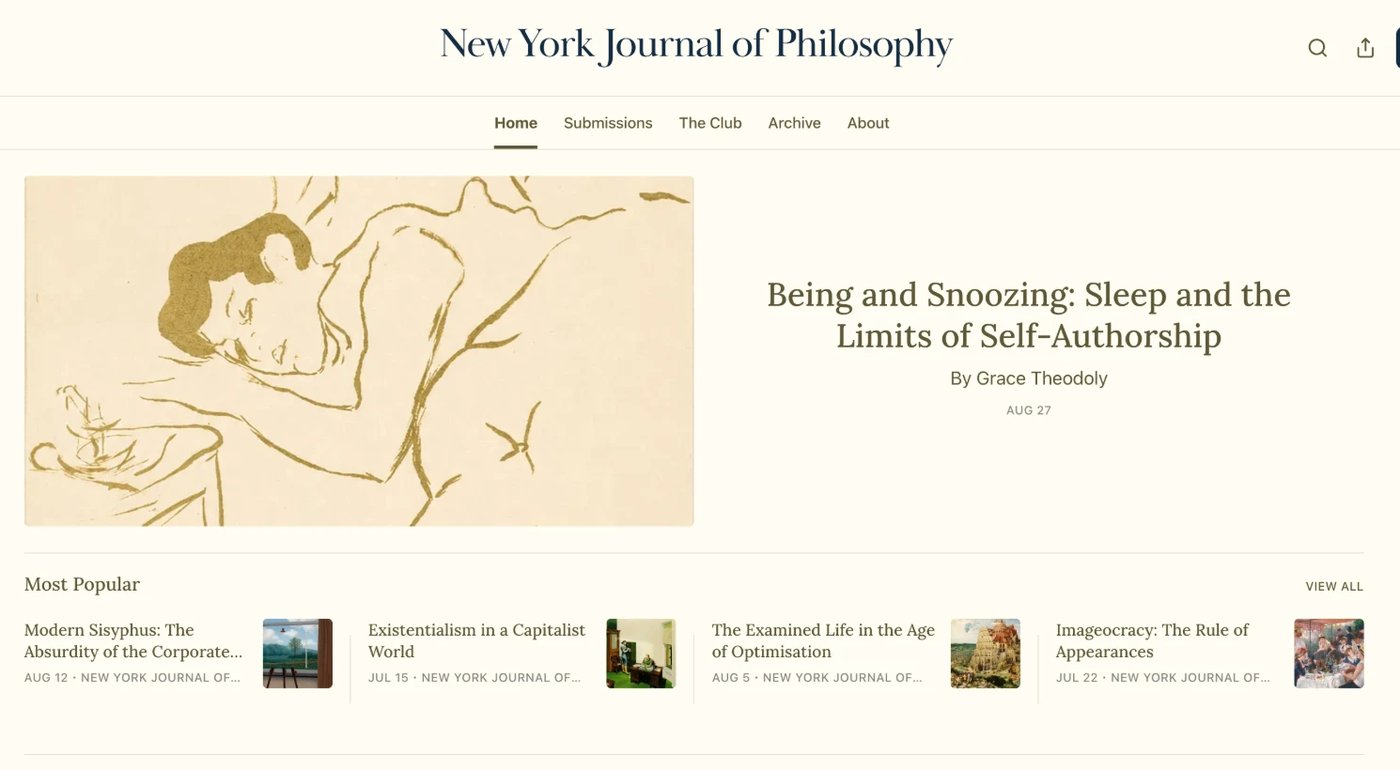
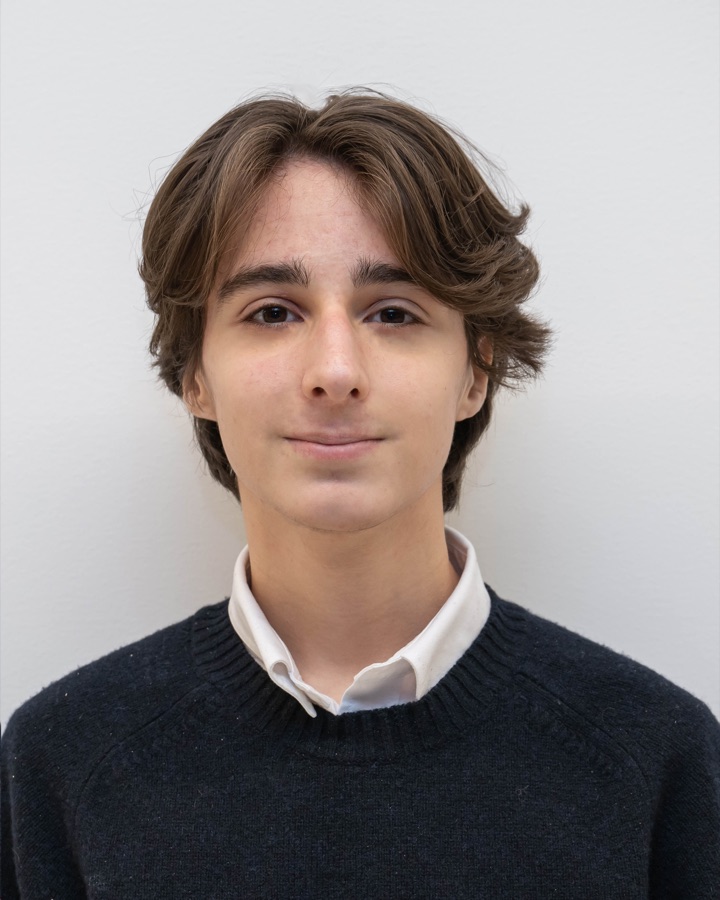
Ojan is the managing editor of the New York Journal of Philosophy, which now has 38,000 subscribers. He now studies neuroscience and philosophy at Princeton and is a mentor at Wright.
TECHNOLOGY / 07
Jack and Sarina built a tool that lets investors examine the companies inside ETFs and index funds for involvement in animal testing, gambling, and other activities they may choose to divest from.
MENTORS

NYU
NYPS
WhetstoneAt sixteen, Ren graduated high school and received a merit scholarship to study philosophy at Brandeis before transferring to NYU and beginning work in finance. He later co-founded YXY Group, a private lender with more than $12 million in loan volume.
At twenty, Ren co-founded NYPS, a nonprofit that hosts in-person events for 46,000+ guests a year. His work has been featured in Vogue, and NYPS has worked with the MET Museum, Princeton University Press, and Columbia University. NYPS has advisors affiliated with a16z and Tusk Venture Partners.

MIT
Harvard
PekingEric Newman studied physics at MIT and went on to research string theory and black holes at Harvard and Peking University. His background combines advanced theoretical physics with a decade of teaching, bringing technical depth to the task of making difficult ideas understandable.
Eric's teaching starts with intuition: understand why an idea works, connect it to what you already know, and explain it clearly enough that someone else can follow. At Wright, he brings the habits of a physicist and an experienced teacher to students' projects: careful reasoning, a willingness to work through uncertainty, and the ability to communicate a complex idea with clarity.

Princeton
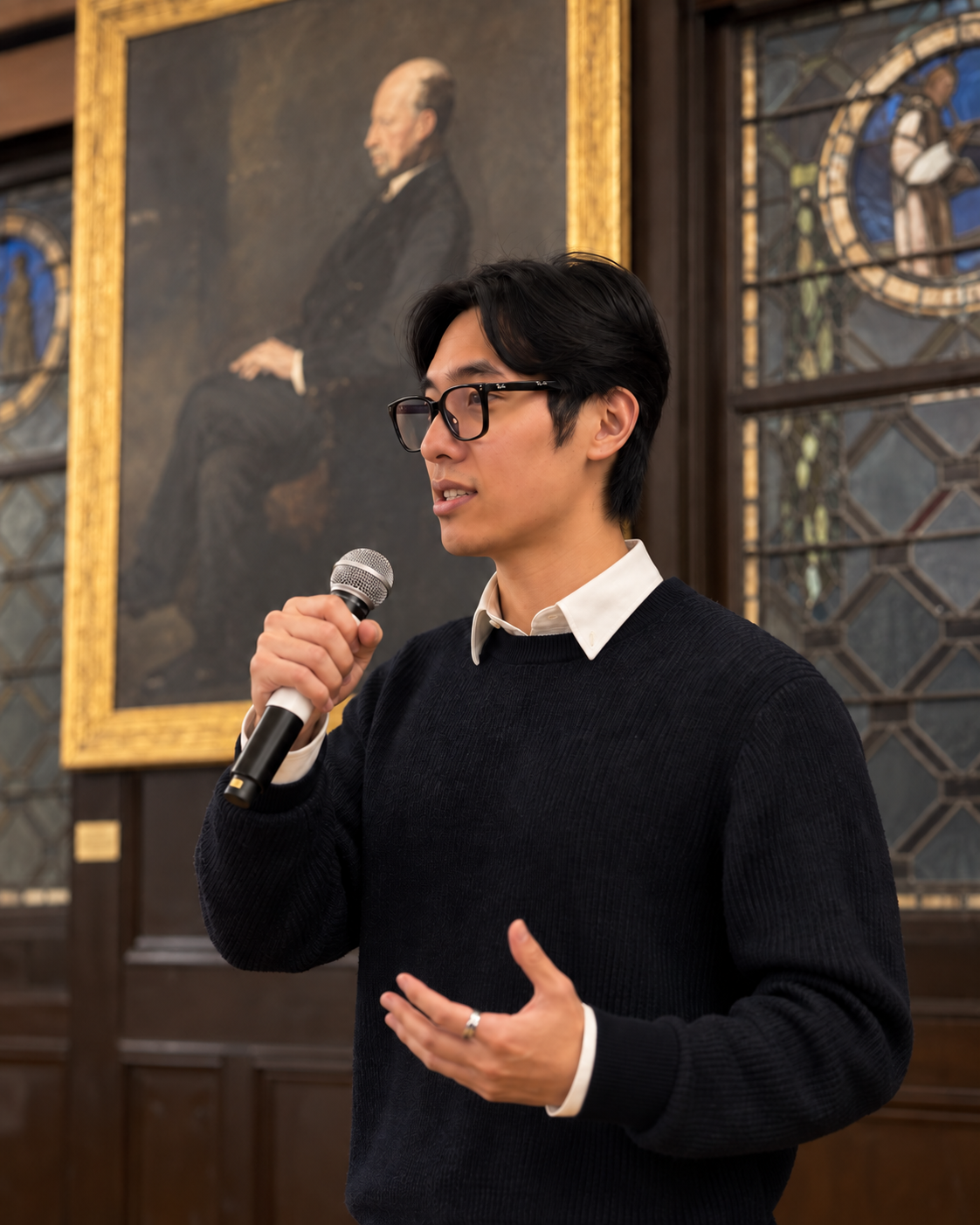
NYPSOjan Bertrand studies neuroscience and philosophy at Princeton University and is the managing editor of the New York Journal of Philosophy, a weekly publication with 38,000 online subscribers and print editions. His work connects scientific inquiry with the challenge of making serious ideas accessible to a public audience.
Before Princeton, Ojan helped build a schoolwide digital library and presented research on proteins linked to Alzheimer's disease at Stony Brook University. His experience spans software, scientific research, and editorial work, giving him several ways to turn an intellectual interest into something other people can use or engage with.
At Wright, Ojan brings that range to students working across technology, culture, and community, with experience developing a useful tool, presenting research, and helping build a publication people return to.
UC Berkeley
CornellAthena brings a systems view to a question every builder faces: of all the things we could make, which one would solve a problem for someone? Her studies connect technical possibility with practical product decisions.

Northwestern
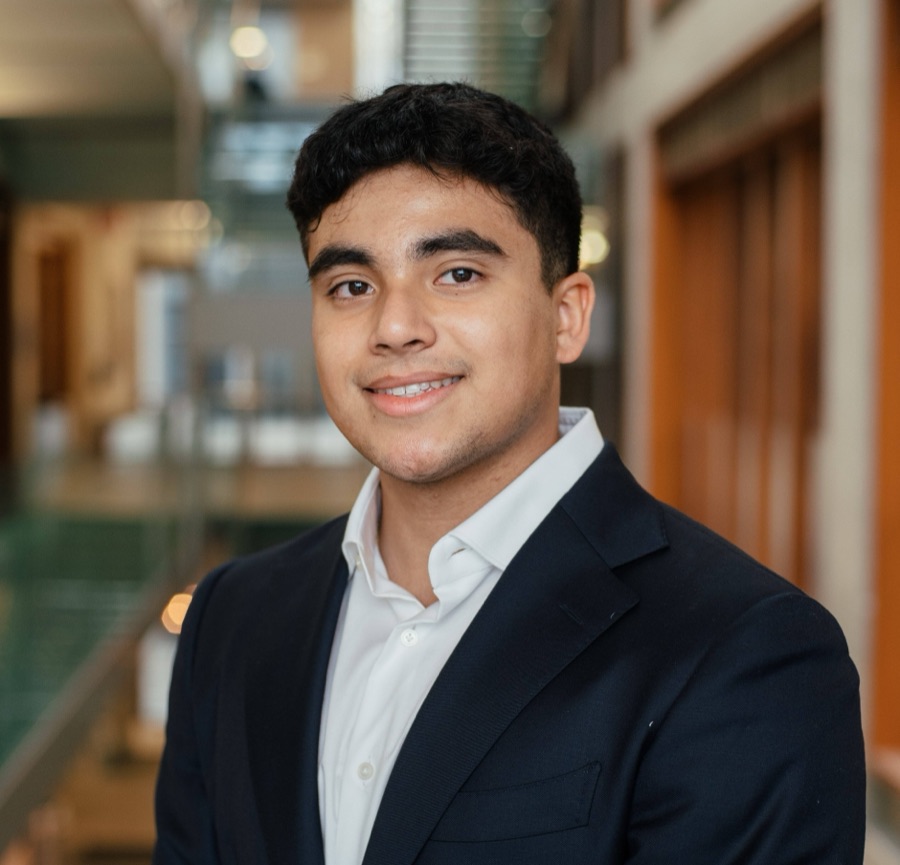
OnSightAngel Mendoza is the co-founder and CEO of OnSight, a sensor analytics company helping gyms make better decisions about equipment, layout, and maintenance. He studied mechanical engineering at Northwestern University, with a minor in business institutions, and built OnSight with fellow engineer Matt Martinez after experiencing long waits and broken equipment in their own workouts.
The team turned those frustrations into a working hardware product: noninvasive radar sensors that measure equipment use without cameras. With support from Northwestern's Manufacturing Fund, OnSight moved from a 20-machine pilot to a customer deployment tracking more than 140 pieces of equipment.
In 2026, OnSight won the Health & Fitness Association's Innovation Alley Pitch Fest, ahead of 15 other startups, and placed second at Northwestern's Garage Jumpstart Demo Day. Angel's earlier experience includes TTM Technologies and Chamberlain Group. He brings firsthand experience of prototyping, talking to customers, financing production, and pitching a company.

King's College London
Athanor AIEmma Barnes received an offer from Oxford at fifteen and graduated from King's College London with First Class Honours in Mathematics and Computer Science. She is a founding AI research engineer at Athanor AI, working at the intersection of machine learning and formal verification.
Her dissertation built a system for AI-assisted mathematical problem solving that combined language-model reasoning with symbolic verification. The project included methods for identifying and repairing errors, addressing a central problem in AI: how to check that a convincing answer is actually correct.
At Athanor, her work connects AI with mathematical methods for checking computational claims. Emma brings Wright students a perspective grounded in both mathematics and engineering: build ambitious systems, examine their assumptions, and test whether their results hold up.

Cofounder
NYPSJawaun Brown is a founding engineer at The General Intelligence Company of New York, the company behind Cofounder. As part of a three-person team that raised $8.5 million, he helped build AI systems that let people start and run businesses with agents working across engineering, sales, marketing, and operations.
His work goes beyond generating an answer: it concerns agents that connect to tools, coordinate tasks, and carry work through to completion. He also co-founded the New York Philosophical Society, bringing his interest in philosophy into a public community.
Jawaun brings Wright students experience from both a venture-backed technology company and a community built around ideas: how to turn a broad ambition into a working system, organize people around it, and keep improving what they make.
Mentor pairings and the weekly schedule come with your written offer.
THE PROGRAM
Move from an idea to a public launch through clear checkpoints, with mentor feedback at each step.
A typical week: a live group workshop, team work toward the next checkpoint, and mentor feedback. Plan on 10–15 hours in total.
Explore a few directions, form a team, and agree with a mentor on one problem and who it serves.
Turn the proposal into an action plan, build a first version, and put it in front of real people.
Improve the project from feedback, release it beyond your school, and track what happens.
Show what your team built, how people responded, and the part each teammate played.
THE THESIS
What used to set people apart was mastery of a process: build a financial model, prepare legal research, write code. In the years ahead, it is evident that industries organized around those processes will be remade or disappear.
Still, there has never been a better time to build. Wright is organized around three skillsets of the future:
Can you build something the world actually needs?
AI puts research, information, and new tools within reach, making it easier than ever to learn and build at the forefront of technology. With expert guidance and the right network, you can turn that access into something useful.
Are you a creator or a consumer?
It has never been easier to reach millions of people with an idea. What you choose to create can change what they notice, value, and do.
Can you create a movement people want to belong to?
In a world where so much of life happens alone and on screens, a place to belong matters more. Learn to organize people, earn trust, and inspire them to build something together.
YOUR FIRST STEP
Bring your interests and what you have tried. You do not need a finished idea or years of experience. You do need to commit 10–15 hours a week to Wright, including live sessions and project work.
FALL 2026 / GRADES 9–12
When Fall closes, you can join the Winter waitlist.
FAQ
No. Bring your interests and what you have tried. In the first two weeks, you will choose a problem and plan a feasible project with your team and mentor.
A useful digital tool, community project, publication, event, or another approved public initiative. Most fellows work in small teams, with a clear role for each person.
Plan on 10–15 hours total, including live group workshops, project work, and mentor support. The NYC intensive adds weekly in-person work sessions. We share the meeting schedule before enrollment.
Yes. Students in grades 9–12 can apply internationally. Everyone joins the live online program; the NYC intensive adds in-person sessions.
Your team will launch a first version for a real audience, record what people did with it, and present the work at a separate Demo Day. You will be able to explain your own contribution.
The online program is $5,500. The NYC intensive is $7,600 total. Aid is reviewed individually. Families requesting it receive a private link for financial documents, and every written offer shows the exact amount due.
A real project gives you specific work and experiences to discuss, including what you contributed and what happened. Wright does not promise admission to any school.
We review your application and invite selected applicants to a short interview. You will receive a decision letter by October 10. If we offer you a place, you will see the tuition, any aid, and the amount due before committing.